Our Story
MAA did not start in classrooms or garages. It began during hospital rounds. As medical students at the University of Gondar, rounding in hospital wards is part of our education. Every time we entered the wards, we saw healthcare from the inside; every time we walked into the library, we saw it from an outside perspective.
We saw patients lined up at the card room early in the morning to register. We saw exhausted professionals working long hours in understaffed departments, with limited time and inefficient communication between themselves, patients, and caregivers.
We saw medicines unavailable or too expensive. Laboratory investigations delayed because the necessary equipment or reagents weren't there. Surgeries postponed because a medical device was unavailable, broken, or because no one had that skill set. Administrators quietly held it all together.
And still, care went on.
This raised a question inside us: most tools come from abroad, our institutions leave little room for local solutions, and the people facing these problems have no power to fix them. How could tomorrow be better than today? No room was left for us to treat, or to be treated.
Medicine alone can't carry this weight. Engineers build devices. Developers build systems. Researchers build evidence. Entrepreneurs build models. Lawyers, policymakers, managers, and communities all have a part to play.
As students with little money, limited skills, and only the small amount of time we had, we chose the one resource we could mobilize: people. We began presenting the idea to healthcare students around the College of Medicine and Health Sciences, gathering in places such as Tukul Lounge to discuss problems, possibilities, and what we could actually do.
In 2026, eleven of us founded the Medical Advancement Association. We chose to begin as a voluntary, nonprofit organization because our first mission was simple: connect people, direct skills and resources toward real healthcare problems, and begin contributing to a better system.
Health is often invisible until we lose it, and all of us eventually depend on the health system. Building a better one cannot be the responsibility of one profession — it is a responsibility we all share.
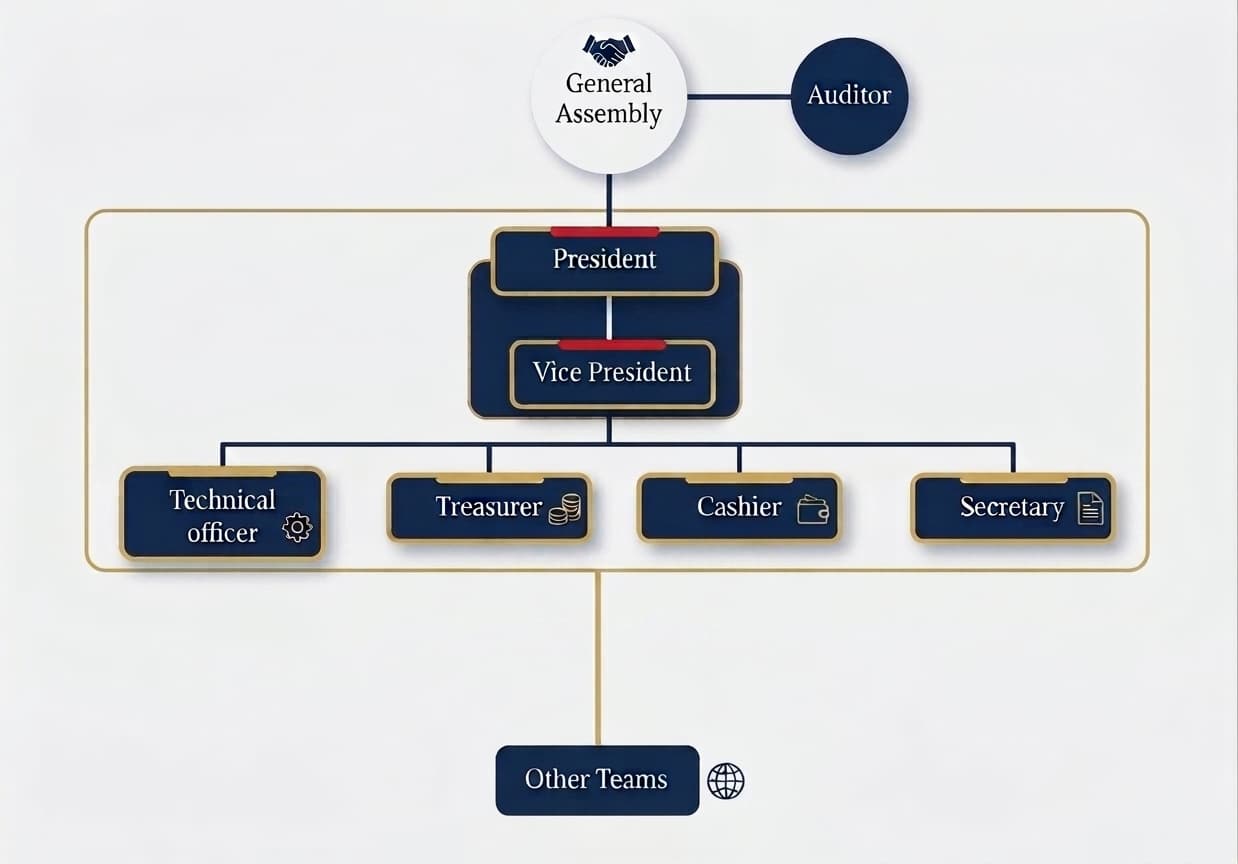
Organizational Structure